How Long Should a Car Battery Last?
In the harsh Australian climate, extreme heat evaporates fluids and breaks down internal battery grids. While most batteries are rated for 3 to 5 years, this lifespan can be drastically shortened by constant short trips, parasitic electrical drains, or extreme temperatures. It's best practice to test your battery annually once it passes the 3-year mark.
If you live on the Northern Beaches or North Shore, the combination of salty coastal air and Sydney's summer heat accelerates terminal corrosion even faster. Drivers in suburbs like Dee Why, Manly, and Mosman should consider testing their battery every 6 months after year three.
6 Warning Signs Your Battery is Dying
1. Slow Engine Crank
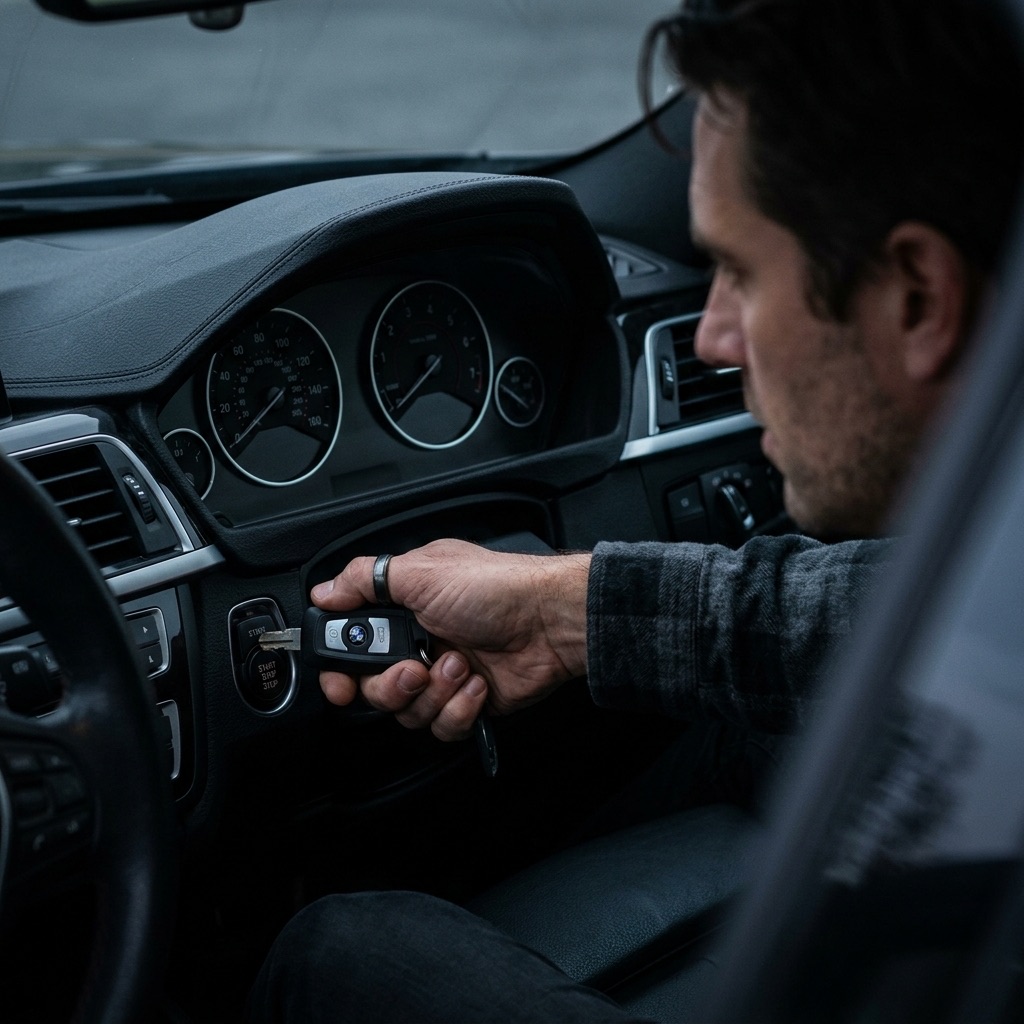
When you turn the key (or press the ignition button), does the engine sound sluggish and take longer than usual to roar to life? This slow crank is usually the very first sign your battery is struggling to hold a cold cranking amp (CCA) charge. You'll notice it most on cold mornings or after the car has been sitting for a few days.
2. Clicking Sound When Starting
If you turn the key and only hear a rapid 'click-click-click', your battery does not have enough power to engage the starter motor. At this stage, your car is officially immobilized and will require a jumpstart or battery replacement. Don't keep turning the key — you risk damaging the starter motor.
3. Dim Headlights and Electrical Issues
Your battery powers all electronic accessories when the engine is off and supplements the alternator when it's running. If your interior dashboard lights are dim, your power windows move slowly, or your headlights appear yellow and weak when idling, the battery is likely failing.
4. Corroded Terminals or Swollen Case
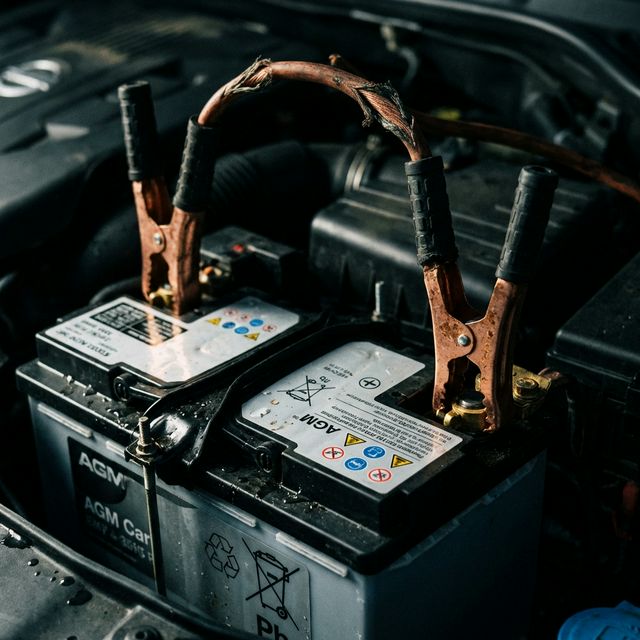
Pop the hood and physically inspect the battery. If you see white, chalky build-up around the metal terminals (corrosion) or if the plastic battery casing looks bloated and swollen (caused by excessive heat build-up), it's highly unsafe and needs immediate replacement.
5. Battery Warning Light on Dashboard
Modern vehicles have a battery-shaped warning light on the dashboard. If this illuminates while driving, it usually means the charging system isn't working correctly — the alternator may not be recharging the battery, or the battery itself can no longer hold a charge. Either way, get it checked before you end up stranded.
6. The Battery is Over 3 Years Old
Even if everything seems fine, age alone is a risk factor. Batteries degrade internally in ways you can't see. A simple load test (which takes under 5 minutes) will tell you exactly how much life is left. Pro Tune offers free battery health checks across the Northern Beaches and North Shore.
What Kills a Car Battery Faster?
Understanding what shortens battery life helps you avoid being stranded:
- Short trips: Driving less than 20 minutes doesn't give the alternator enough time to fully recharge the battery. This is common for Northern Beaches commuters hopping between Brookvale, Dee Why, and Manly.
- Leaving lights or accessories on: Interior lights, dashcams, or phone chargers left running overnight will drain even a healthy battery.
- Extreme heat: Sydney summers accelerate the chemical breakdown inside a battery far more than cold weather does.
- Loose or corroded connections: A loose battery terminal means the alternator can't charge properly, creating a slow drain over weeks.
- Aftermarket electronics: Subwoofers, extra LED bars, or alarm systems that weren't properly wired draw power even when the car is off.
When to Call a Mobile Mechanic
If your car won't start and you suspect the battery, here's what to do:
- Don't keep cranking: Repeated attempts can damage the starter motor and flatten the battery completely.
- Check for obvious issues: Look at the terminals for corrosion and make sure the connections are tight.
- Call for a mobile battery replacement: A mobile mechanic can come to your location — whether that's your driveway in Neutral Bay or a car park in Chatswood — test your battery on the spot, and replace it right there if needed.
Pro Tune carries replacement batteries for most popular makes and models. We service the entire Northern Beaches and North Shore area 24/7 — including weekends and public holidays.