Understanding Warning Light Colours
Before diving into specific lights, it helps to understand the colour system every manufacturer follows. Think of it like traffic lights:
- Green / Blue: Informational. A system is active and working normally (e.g., high beams on, cruise control active). No action required.
- Yellow / Amber: Caution. Something needs attention soon but isn't immediately dangerous. You can usually keep driving and book a service within a few days.
- Red: Warning. Something is wrong right now. Stop driving as soon as it's safe to do so and get the vehicle checked.
The 10 Most Important Warning Lights
1. Check Engine Light (Amber)
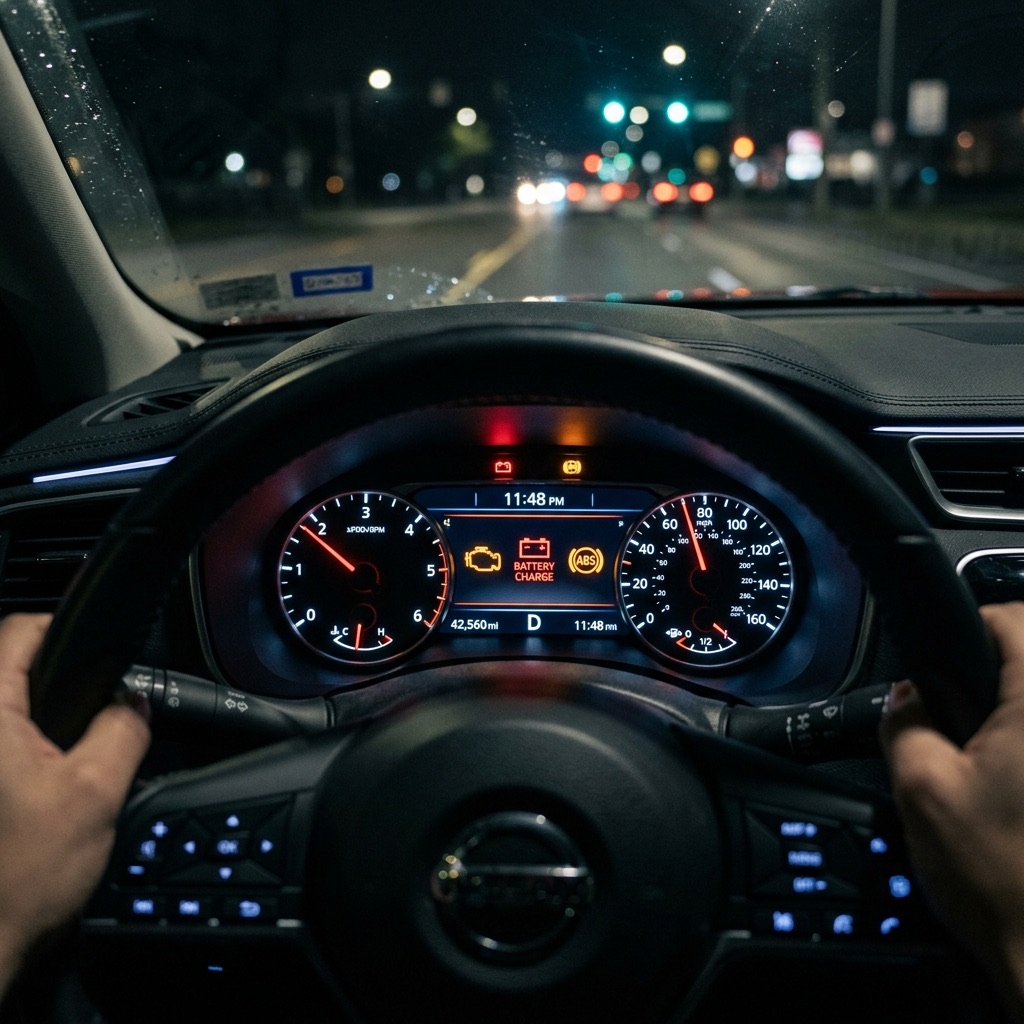
The most common — and most vague — warning light. It can mean anything from a loose fuel cap to a misfiring engine. If the light is steady, it's safe to drive to a mechanic. If it's flashing, that usually indicates an active misfire — pull over and call for help to avoid catalytic converter damage.
Common causes in Sydney: Failing oxygen sensor, loose fuel cap after refuelling, worn spark plugs, or a faulty mass airflow sensor clogged with coastal dust.
2. Battery / Charging System Light (Red)
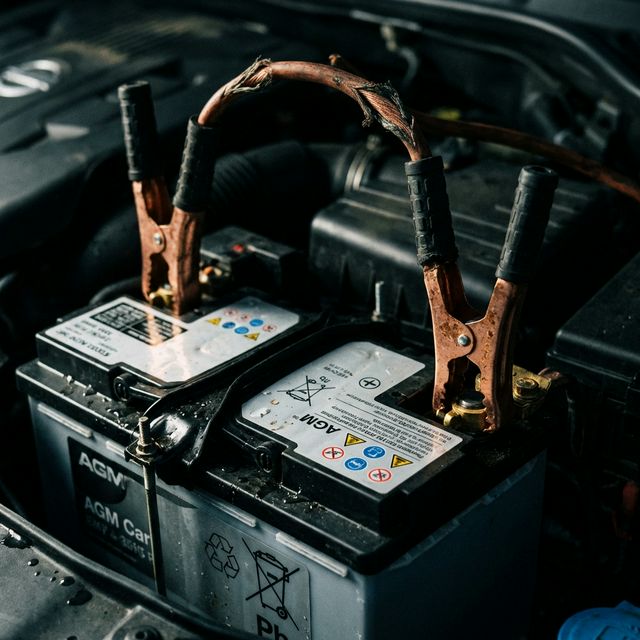
This light means the charging system isn't working — the alternator may have failed, a drive belt may have snapped, or there's a wiring fault. Your car is running on battery power alone, and you have limited time before it dies completely.
What to do: Turn off all non-essential electronics (air con, radio, heated seats) to conserve battery. Drive directly to a safe location or call a mobile mechanic. Don't turn the engine off until you're somewhere safe — it may not restart.
3. Oil Pressure Warning (Red)
This is one of the most serious warning lights. It means oil pressure has dropped to a dangerous level — your engine is not being properly lubricated. Continuing to drive can cause catastrophic engine damage within minutes.
What to do: Pull over immediately and turn off the engine. Check the oil level with the dipstick. If it's low, topping up may resolve the light. If the oil level is fine but the light stays on, do not drive — call a mechanic.
4. Temperature Warning (Red)
Your engine is overheating. This can be caused by a coolant leak, a failed water pump, a stuck thermostat, or simply sitting in Sydney traffic on a 40-degree day with the air con blasting.
What to do: Pull over safely and turn off the engine. Do NOT open the radiator cap while it's hot — you risk serious burns. Wait at least 30 minutes for the engine to cool, then check the coolant level. If it's low and you have water, you can top it up as a temporary fix to get to a mechanic.
5. Brake System Warning (Red)
This light can mean several things: the handbrake is still engaged, brake fluid is low, or there's a fault in the braking system. First, check if the handbrake is fully released. If it is and the light is still on, check the brake fluid reservoir under the hood.
If the brake pedal feels soft or spongy: This is dangerous. Drive very slowly to a safe location and call a mechanic immediately. Do not drive on the highway.
6. ABS Warning Light (Amber)
Your Anti-lock Braking System has a fault. Your regular brakes still work, but the ABS won't activate in an emergency stop. This means your wheels could lock up on wet roads — particularly dangerous during Sydney's heavy winter rains.
What to do: Drive carefully and book a service. Avoid hard braking if possible. The most common cause is a faulty wheel speed sensor, which is a straightforward fix.
7. Airbag / SRS Warning (Amber or Red)
The airbag system has detected a fault. Your airbags may not deploy in an accident. This doesn't affect how the car drives, but it's a serious safety issue that should be diagnosed promptly.
8. Tyre Pressure Warning / TPMS (Amber)
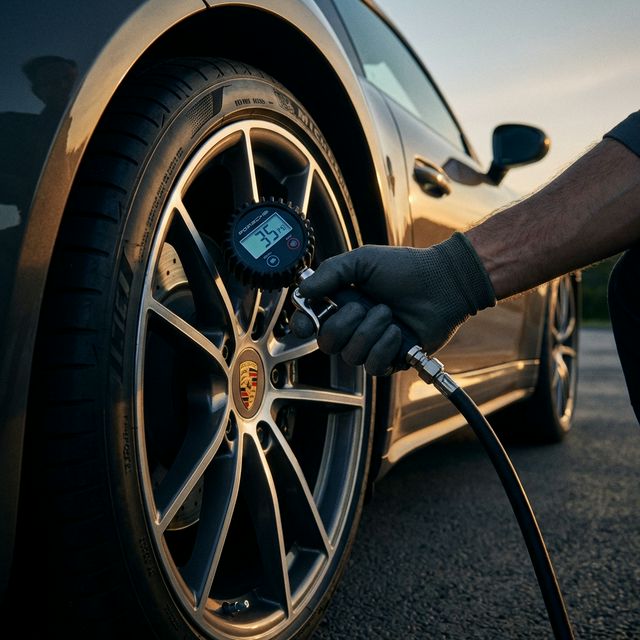
One or more tyres are significantly under-inflated. This affects handling, fuel economy, and tyre wear. Check all four tyres (and the spare) with a pressure gauge. The correct pressure is listed on a sticker inside the driver's door jamb.
Temperature changes in Sydney — from cool mornings on the Northern Beaches to hot afternoons — can cause tyre pressure to fluctuate enough to trigger this light.
9. Power Steering Warning (Amber or Red)
Steering will feel noticeably heavier. In hydraulic systems, this usually means low power steering fluid. In electric systems, there may be a motor or sensor fault. You can still steer the car, but it requires significantly more effort — especially at low speeds and when parking.
10. Diesel Particulate Filter / DPF (Amber)
Common in diesel vehicles. The DPF is clogged with soot and needs a regeneration cycle. This happens when you mostly drive short distances — the exhaust never gets hot enough to burn off the soot. Taking the car for a 20-minute drive at highway speed (60-80 km/h) often resolves it.
If you commute short distances around Brookvale, Dee Why, or Neutral Bay, you're particularly prone to DPF issues. A regular highway run along the Wakehurst Parkway or up to Palm Beach clears it out.
Red vs. Amber: When to Stop Driving
A simple rule of thumb:
- Red light = stop driving. Pull over safely, turn off the engine, and assess the situation. If in doubt, call a mechanic.
- Amber light = drive carefully and book a service within the next few days. Don't ignore it — amber lights become red problems when left unchecked.
If any warning light comes on and the car is driving strangely (vibrating, losing power, making unusual noises, smelling like burning), pull over regardless of the light colour.
Get It Diagnosed — Wherever You Are
Modern vehicles store diagnostic trouble codes (DTCs) when a warning light triggers. A mobile mechanic with an OBD2 scanner can read these codes on the spot — in your driveway, at your office, or wherever the light came on — and tell you exactly what's wrong.
Pro Tune services the entire Northern Beaches and North Shore, including Manly, Mosman, Neutral Bay, Chatswood, Brookvale, Dee Why, and Mona Vale. We carry diagnostic equipment in the van and can usually diagnose the issue within 15 minutes.